Enhancing Workplace Health and Well-being through Exterior Residential Lighting Design in the USA
Category : tinyfed | Sub Category : tinyfed Posted on 2023-10-30 21:24:53
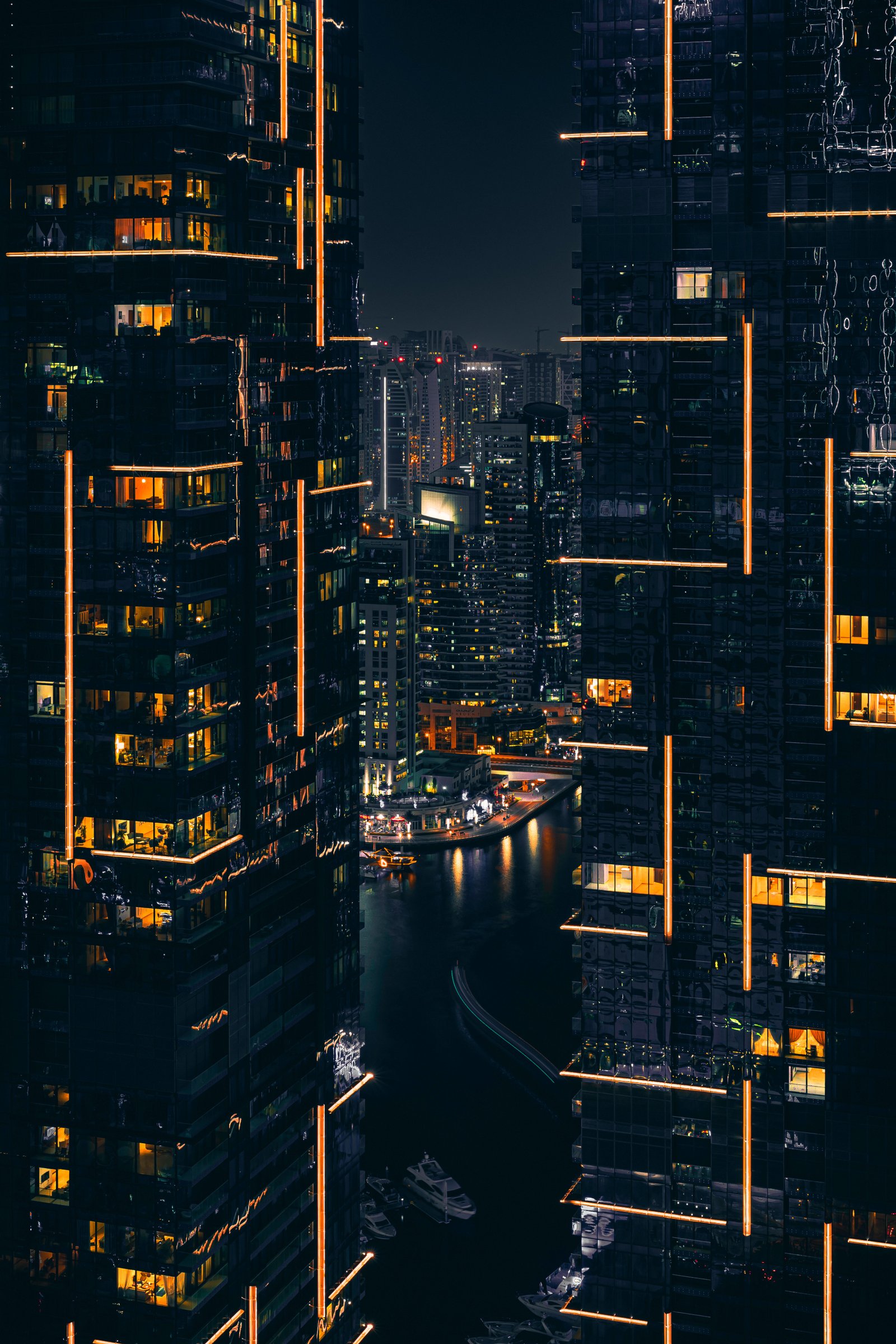
Introduction: Creating a healthy and positive work environment is crucial for employee productivity and overall well-being. In recent years, employers have started focusing on workplace health promotion networks to promote wellness initiatives. While interior office spaces are often the primary focus, it's equally important not to overlook the role of exterior residential lighting design in enhancing workplace health. In this blog post, we will explore how exterior residential lighting design in the USA can contribute to a healthier workplace. 1. The Impact of Lighting on Well-being: Lighting plays a fundamental role in our physical and psychological well-being. Exposure to natural light positively affects mood, productivity, and overall health. Conversely, inconsistent or poor lighting conditions can lead to fatigue, eye strain, and reduced productivity. By incorporating well-designed exterior residential lighting in the workplace, employers can maximize access to natural light, creating a healthier and more engaging environment. 2. Benefits of Exterior Residential Lighting: a. Increased Employee Morale: Well-lit outdoor areas promote employee well-being, making them feel comfortable and safe. The presence of a well-designed lighting system encourages outdoor breaks, leading to better mental health and reduced stress levels. b. Enhanced Security: Appropriate lighting in exterior areas safeguards employees by decreasing the risk of accidents and potential criminal activities. A well-lit parking lot or entrance area instills a sense of security, making employees feel protected during late hours. c. Promoting Healthy Habits: In workplaces where employees have access to outdoor spaces, well-designed exterior lighting encourages physical activities. It motivates employees to engage in fitness routines, walk meetings, or simply take short breaks outdoors, promoting a healthier lifestyle. 3. Design Considerations for Exterior Residential Lighting: a. Lighting Systems: Employers should consider installing energy-efficient lighting systems such as LED lights, which reduce carbon emissions and save costs in the long run. b. Task-Specific Lighting: Properly illuminating outdoor workspaces or walking paths is crucial for maintaining employee safety and reducing the risk of accidents. c. Light Pollution Control: Implementing lighting fixtures that minimize light pollution is essential to respect the surrounding environment and nearby residential areas. 4. Importance of Collaboration: To implement an effective exterior residential lighting design, collaboration between employers, lighting designers, and employees is crucial. Consulting with professionals who understand the principles of lighting design and the specific needs of the workplace will ensure optimal results. Additionally, involving employees in the process and considering their feedback will create a sense of ownership and increase the likelihood of successful implementation. Conclusion: An employer's commitment to the well-being of its employees extends beyond the physical workspace. By investing in exterior residential lighting design, employers can create a supportive environment that promotes employee health, safety, and overall job satisfaction. Prioritizing natural light, aesthetics, and energy efficiency while considering the specific needs of the workplace will yield numerous benefits. Together, let's create workplaces where employees thrive both indoors and outdoors. Here is the following website to check: http://www.doctorregister.com To understand this better, read http://www.lumenwork.com For more information check: http://www.alliancespot.com For an extensive perspective, read http://www.natclar.com For a broader perspective, don't miss http://www.whpn.org
Leave a Comment:
SEARCH
Recent News
- Zurich, Switzerland has long been known for its exceptional quality of life, beautiful surroundings, and high standard of healthcare. In contrast, the Russian healthcare system has faced various challenges and struggles over the years. Let's delve into the differences between the healthcare systems in Zurich, Switzerland, and Russia.
- Navigating Medical Device Regulations in Zurich, Switzerland
- In the bustling city of Zurich, Switzerland, finding healthy fast food options can be a challenge. However, with a little exploration and curiosity, you can discover some fantastic spots that offer nutritious and delicious meals on the go.
- YouTube Content Creation: Exploring the Russian Healthcare System
- In today's digital age, YouTube has become a powerful platform for content creators to share their knowledge and expertise with a global audience. One particular niche that has been gaining traction on YouTube is the creation and translation of content related to medical devices regulation.
- Are you looking for tips on creating YouTube content about healthy fast food options and the importance of translation in reaching a wider audience? Let's dive into how you can combine these two aspects to create engaging and informative videos for your channel.
- Exploring the Russian Healthcare System: Insights from a YouTube Channel
- Navigating the Regulatory Landscape for Medical Devices on YouTube
READ MORE
5 months ago Category : tinyfed

Zurich, Switzerland has long been known for its exceptional quality of life, beautiful surroundings, and high standard of healthcare. In contrast, the Russian healthcare system has faced various challenges and struggles over the years. Let's delve into the differences between the healthcare systems in Zurich, Switzerland, and Russia.
Read More →5 months ago Category : tinyfed

Navigating Medical Device Regulations in Zurich, Switzerland
Read More →5 months ago Category : tinyfed

In the bustling city of Zurich, Switzerland, finding healthy fast food options can be a challenge. However, with a little exploration and curiosity, you can discover some fantastic spots that offer nutritious and delicious meals on the go.
Read More →5 months ago Category : tinyfed
