The Nutritional Aspect of Nearly Zero Energy Building Strategy for Hotels in Europe
Category : tinyfed | Sub Category : tinyfed Posted on 2023-10-30 21:24:53
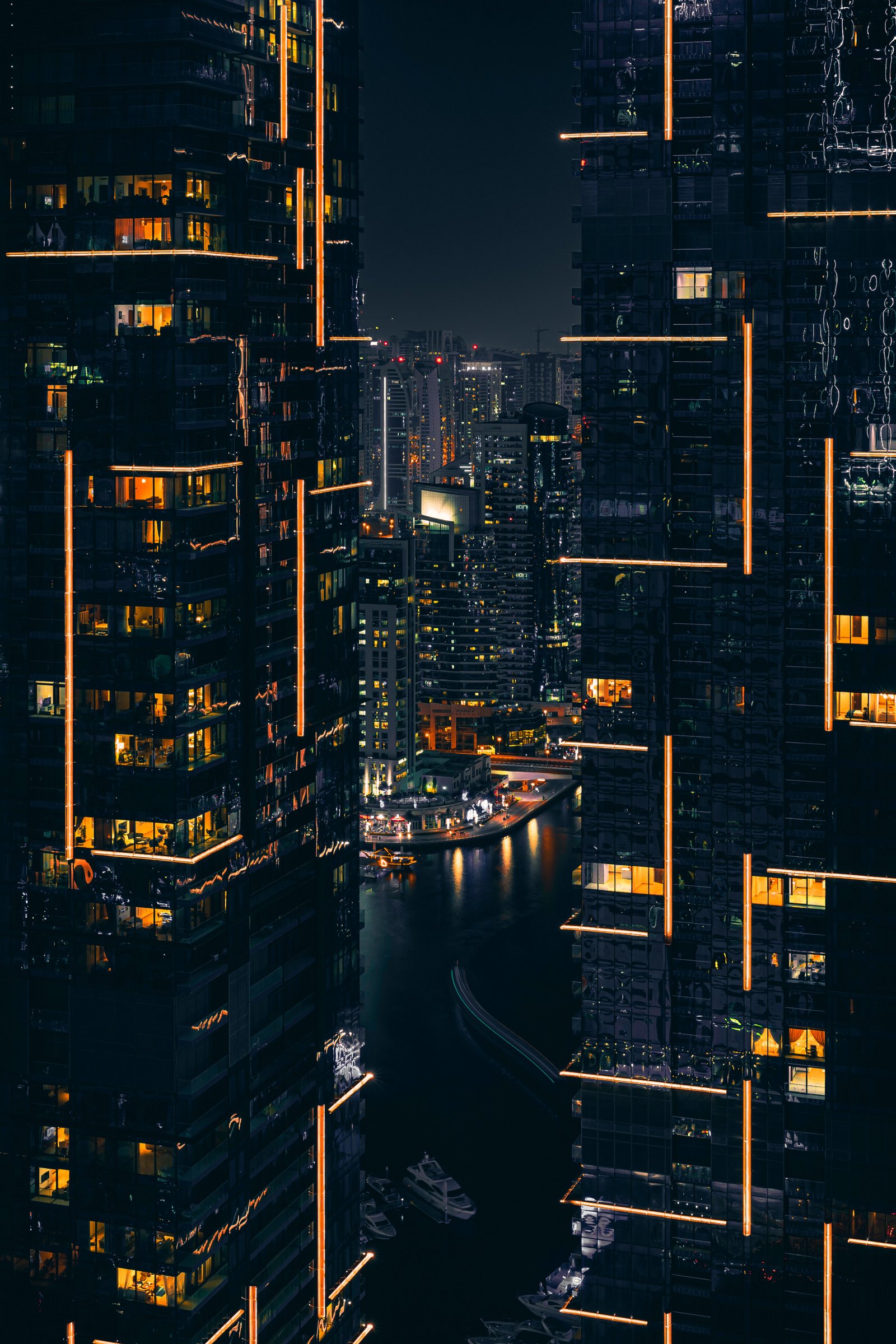
Introduction: As the hospitality industry continues to prioritize sustainability, hotels in Europe are increasingly adopting nearly zero energy building strategies. These energy-efficient buildings significantly reduce their environmental footprint by minimizing energy consumption and maximizing renewable energy sources. While the focus is primarily on energy efficiency, it's important not to overlook the crucial role that nutrition plays in supporting these strategies. In this blog post, we will explore how proper nutrition can complement nearly zero energy building strategies for hotels in Europe. 1. Sustainable Food Sourcing: One key aspect of nutrition in the context of nearly zero energy buildings is sustainable food sourcing. Hotels can prioritize locally sourced, organic, and seasonal produce to reduce the carbon footprint associated with transportation and ensure fresher and healthier food options for their guests. Incorporating farm-to-table practices not only supports the local community but also provides healthier and more sustainable choices on the hotel's menu. 2. Plant-Based Menus: Plant-based diets have gained significant popularity due to their positive impacts on health and the environment. Incorporating more plant-based options into hotel menus can help reduce the carbon emissions associated with livestock farming and promote a healthier lifestyle. From delicious vegetarian and vegan dishes to ethically sourced seafood, hotels can cater to a diverse range of dietary preferences while also reducing their environmental impact. 3. Waste Reduction: Proper nutrition also extends to waste reduction. Hotels can implement practices that reduce food waste, such as portion control, composting, and food donation programs. By minimizing waste, hotels not only contribute to the overall sustainability of their operations but also support local communities in need. 4. Energy-Efficient Kitchen Equipment: In parallel with energy-efficient building design, hotels can invest in energy-efficient kitchen equipment. Utilizing advanced technology such as induction cooktops, energy-efficient ovens, and smart refrigeration systems can significantly reduce energy consumption while ensuring a productive and efficient kitchen environment. By optimizing energy usage in the kitchen, hotels can further support their overall energy-saving goals. 5. Education and Awareness: Lastly, education and awareness play a crucial role in nutrition within nearly zero energy building strategies. Through interactive experiences like cooking classes, workshops, or farm visits, hotels can educate guests and staff about sustainable eating habits and the benefits of nutrition in supporting a healthier lifestyle. Promoting nutritional awareness can inspire guests to make sustainable choices even after their stay, creating a ripple effect in society. Conclusion: Nutrition is a vital aspect of nearly zero energy building strategies for hotels in Europe. By considering sustainable food sourcing, incorporating plant-based menus, reducing waste, investing in energy-efficient kitchen equipment, and promoting education and awareness, hotels can enhance their sustainability efforts while providing guests with nutritious and delicious dining experiences. By incorporating proper nutrition into their overall sustainability plans, hotels in Europe can take their leadership in reducing environmental impact to new heights. Want to learn more? Start with: http://www.nezeh.com Check the link below: http://www.nacnoc.com Explore this subject further for a deeper understanding. http://www.childnut.com
Leave a Comment:
SEARCH
Recent News
- Zurich, Switzerland has long been known for its exceptional quality of life, beautiful surroundings, and high standard of healthcare. In contrast, the Russian healthcare system has faced various challenges and struggles over the years. Let's delve into the differences between the healthcare systems in Zurich, Switzerland, and Russia.
- Navigating Medical Device Regulations in Zurich, Switzerland
- In the bustling city of Zurich, Switzerland, finding healthy fast food options can be a challenge. However, with a little exploration and curiosity, you can discover some fantastic spots that offer nutritious and delicious meals on the go.
- YouTube Content Creation: Exploring the Russian Healthcare System
- In today's digital age, YouTube has become a powerful platform for content creators to share their knowledge and expertise with a global audience. One particular niche that has been gaining traction on YouTube is the creation and translation of content related to medical devices regulation.
- Are you looking for tips on creating YouTube content about healthy fast food options and the importance of translation in reaching a wider audience? Let's dive into how you can combine these two aspects to create engaging and informative videos for your channel.
- Exploring the Russian Healthcare System: Insights from a YouTube Channel
- Navigating the Regulatory Landscape for Medical Devices on YouTube
READ MORE
3 months ago Category : tinyfed

Zurich, Switzerland has long been known for its exceptional quality of life, beautiful surroundings, and high standard of healthcare. In contrast, the Russian healthcare system has faced various challenges and struggles over the years. Let's delve into the differences between the healthcare systems in Zurich, Switzerland, and Russia.
Read More →3 months ago Category : tinyfed

Navigating Medical Device Regulations in Zurich, Switzerland
Read More →3 months ago Category : tinyfed

In the bustling city of Zurich, Switzerland, finding healthy fast food options can be a challenge. However, with a little exploration and curiosity, you can discover some fantastic spots that offer nutritious and delicious meals on the go.
Read More →3 months ago Category : tinyfed
